How to Spot a Fake Louis VuittonA buyer's screening guide
No house on earth is faked more — and the most-repeated advice, “check the date code,” is now out of date. This is a structured, non-destructive screening you can run before you commit: how to read the canvas, the stamp and the hardware, and why a genuinely recent bag has no date code at all.
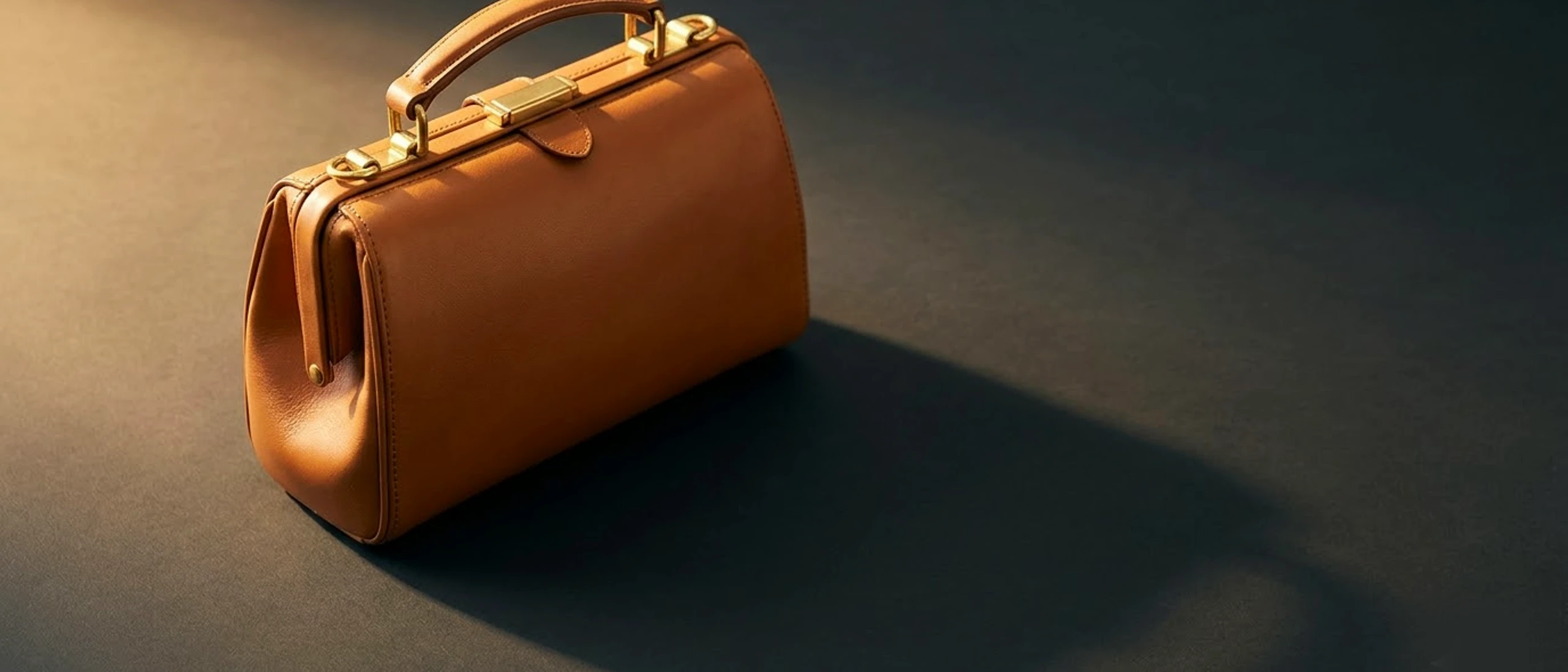
No luxury house is counterfeited more than Louis Vuitton, and the reason is reach: the canvas is instantly recognisable, the bags sell by the millions, and a convincing fake can be produced cheaply and moved fast. That volume is exactly why the resale market is flooded at every tier — from crude knock-offs that fool nobody to “super fakes” engineered to survive a careful buyer's inspection.
This guide is written for the buyer, not the reseller. It won't make you an authenticator, and it won't pretend a checklist can replace a trained eye. What it does is sort what you find into three weights — a hard contradiction that stops the purchase, a strong warning that needs an expert, and supporting context — so you can walk away early from an obvious problem and know exactly what to ask before you commit.
- A short letters-and-numbers code pressed into an interior seam, tab, or hidden spot.
- The format encodes the factory and the week/year — so it must be plausible for the claimed age.
- The code is not a certificate: counterfeiters copy plausible codes. Its value is in contradiction.
- Around 2021 Louis Vuitton retired the stamped date code entirely.
- A tiny embedded RFID chip now carries the identifying data — invisible, readable only by the brandʼs own equipment.
- So on a recent bag the absence of a date code is expected, not a red flag.
A DATE CODE ENCODES WHEN & WHERE, NEVER WHETHER IT'S REAL · ITS VALUE IS IN CONTRADICTION, NOT CONFIRMATION
TAP A ROW TO FLAG A CONCERN · THE VERDICT FOLLOWS THE HEAVIEST FLAG · THIS IS A SCREEN, NOT AN AUTHENTICATION
Start with the seller, not the bag
Before you examine a stitch, examine the transaction — it is the cheapest protection you have. The single most protective decision you can make is where you buy. A bag a professional has already passed shifts the risk off your shoulders.
Monogram and canvas: symmetry and placement
The Monogram and Damier canvas is where most fakes announce themselves, because getting the pattern placement right is expensive and getting it symmetrical is harder still. Counterfeiters cut to save material, so the pattern often jumps or misaligns where two panels join.
PATTERN MEETS
PATTERN BREAKS
MOTIF BURIED
On a genuine bag Louis Vuitton positions the canvas so the pattern flows logically across a seam — and the “LV” is never chopped in half or buried in a fold in a careless way. On symmetrical styles the front should mirror the back. You do not need to measure; you need to ask: did someone care where this canvas was cut, or did they just cut it?
“On a genuine bag, someone decided exactly where the canvas would be cut. On a fake, the canvas was simply cut.
The heat stamp and the font
Louis Vuitton presses its branding into the leather or a leather tab with heat. The letterforms are exacting, and it is where counterfeiters most often slip — the proportions are subtle and hard to reproduce at speed.
The impression should be even, crisp and consistent in depth across every letter — pressed into the leather, reading slightly darker than the surface around it, never printed on top. Blobby, shallow, uneven or double-struck stamping is a red flag.
A correct heat stamp does not authenticate a bag. But a sloppy or misproportioned one condemns it.
Hardware and zippers
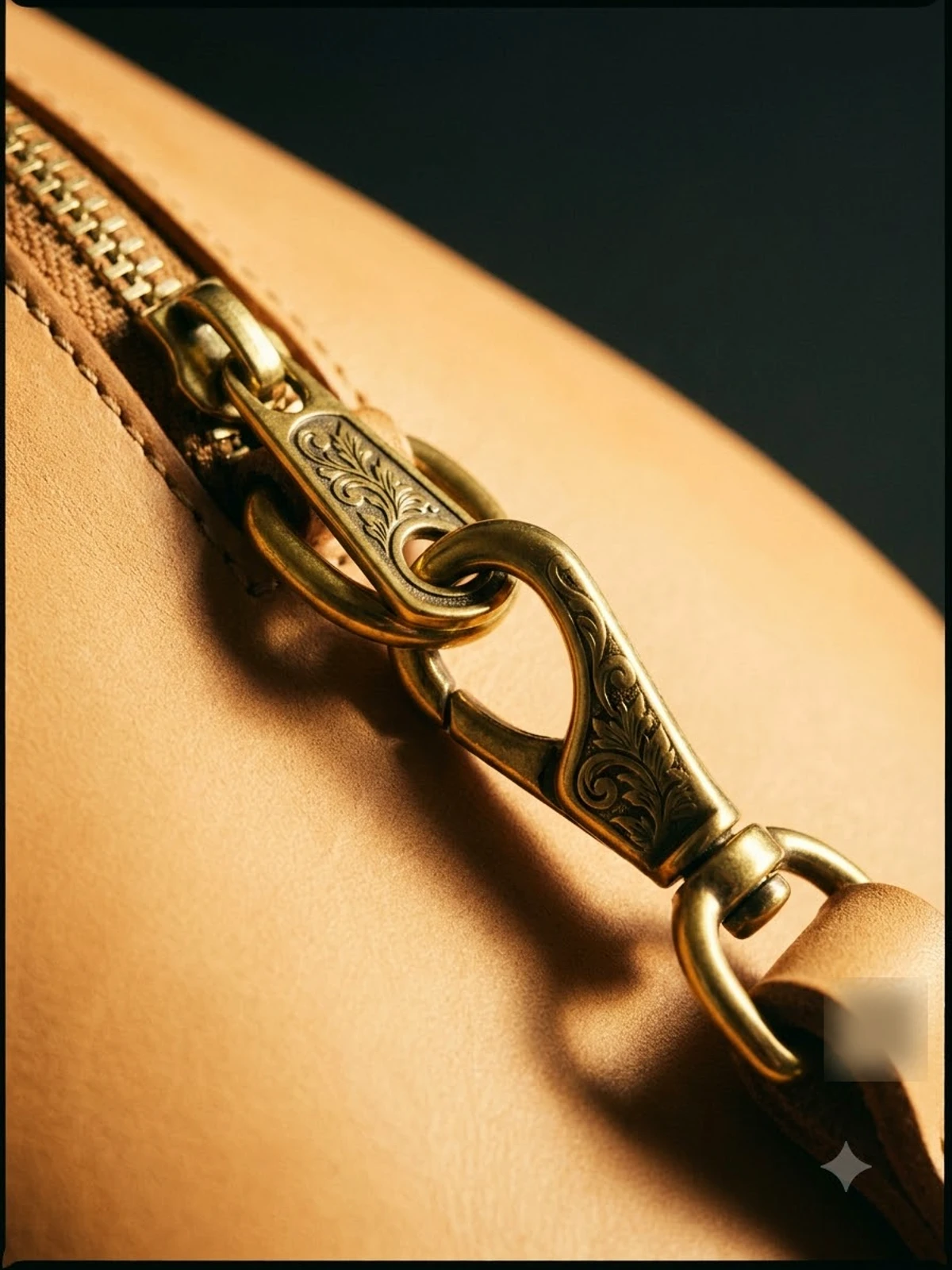
The metal furniture on a genuine bag is weighty, evenly finished and quietly branded. The brass in particular has real heft and a warm, even tone, and it ages to a soft patina rather than flaking or discolouring.
Engraving on pulls and clasps is shallow, clean and evenly spaced. Counterfeit engraving is frequently too deep, too shallow, or subtly misaligned. A zip should run smoothly and feel substantial — stiff, rattly or cheap-feeling metal is inconsistent with the price.
Stitching: count and colour consistency
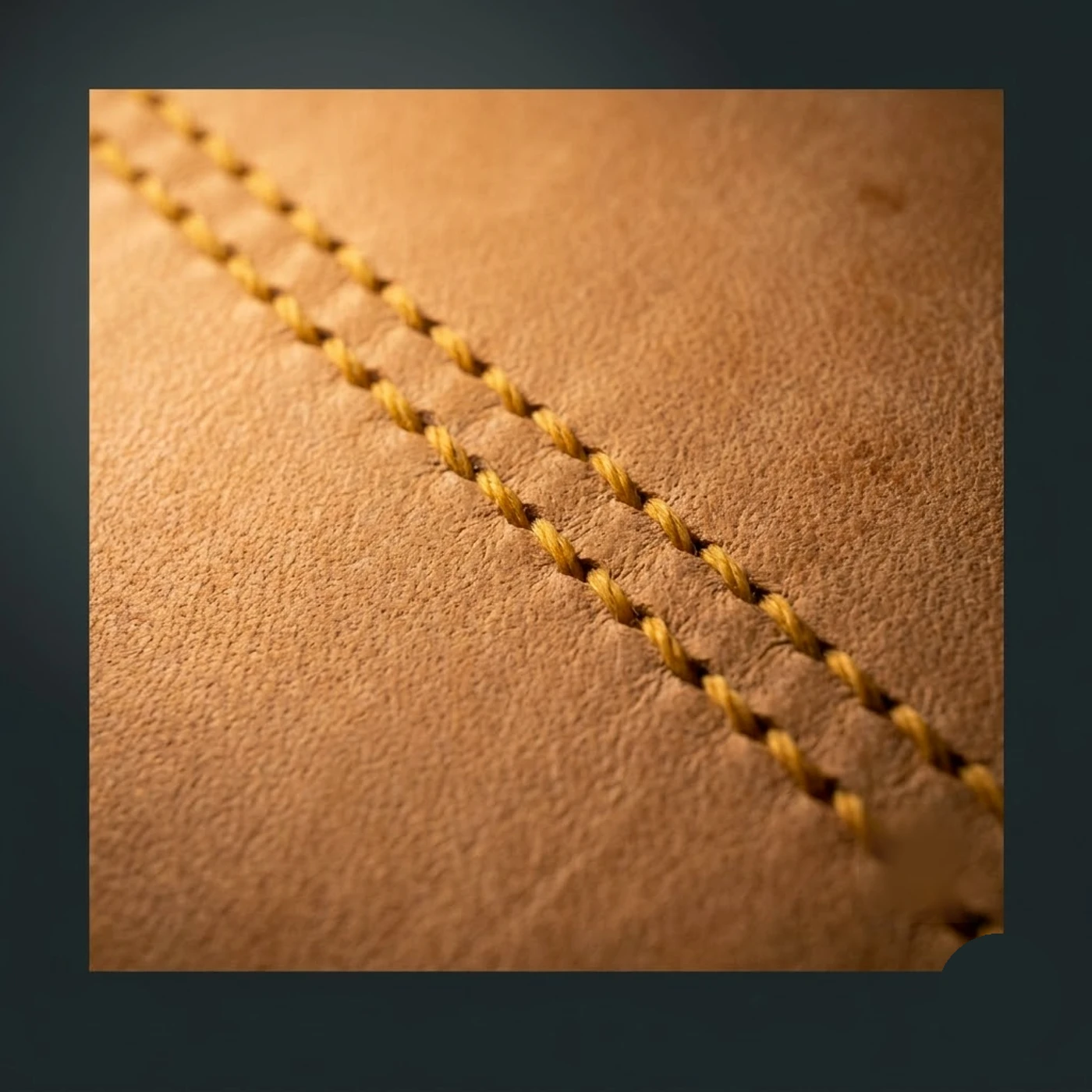
Louis Vuitton's stitching is machine-sewn but held to a strict standard, and it is where cost-cutting counterfeiters slip. The classic Monogram bags use a mustard-yellow tonal stitch that is remarkably consistent from bag to bag.
Stitching that reads too pale, too orange, or plainly the wrong shade against verified references for that style is a warning. Genuine stitching is uniform — even tension, consistent length, and a consistent count in areas where LV's construction is well documented, such as the tab where a handle attaches.
CONSTANT COUNT
DENSITY DRIFT
Date codes and the RFID change
This is where the modern buyer must update old advice. For decades, Louis Vuitton stamped a date code — a short combination of letters and numbers — into an interior seam or tab, encoding the factory and the week and year of production. Around 2021, the brand retired it, moving to an embedded RFID microchip. Use the switch at the top of this page to check the expectation against the bag's claimed era; two points matter today.
Interior, lining and Vachetta patina
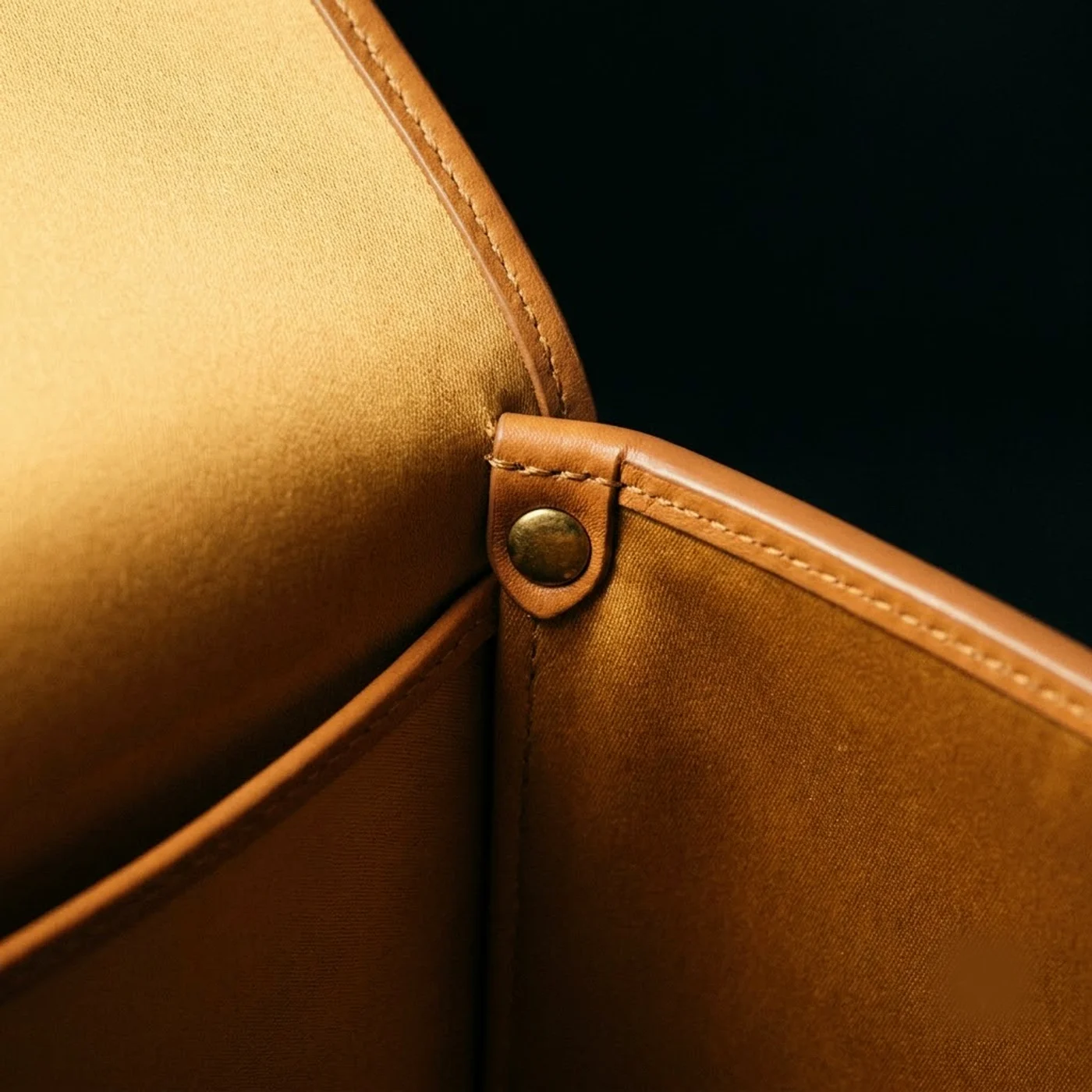
The inside and the untreated leather trim reward a close look, because counterfeiters economise where buyers glance least. Whatever the lining — textile, microfibre, or the canvas itself — the finishing should be clean: tidy seams, even glazing on the edges, and no sloppy glue or raw cut edges.
Louis Vuitton's natural, untreated Vachetta leather — the handles, tabs and trim on many Monogram bags — starts pale, almost raw, and darkens with age and sun into a honey-to-caramel patina. It is a genuine, gradual process, and one of the more useful tells when you know how to read it.
Finally, smell and feel: fine leather and quality canvas have a particular character. A strong chemical or plastic odour is a warning, not a quirk.
Request these photos
Most screening happens before the bag is ever in your hands. Ask for these specific shots — a seller with a genuine bag sends them without fuss; hesitation or “the light's bad” is itself information.
- 01 The pattern where two panels meet at a seam — front, side, and base
- 02 The heat stamp straight-on, evenly lit and readable (letters in focus)
- 03 A hardware macro — zipper pull, clasp, and any engraving
- 04 The date-code spot in focus if pre-2021 — or confirmation itʼs a chip-era bag
- 05 The interior: lining, glazed edges, and each corner
- 06 The Vachetta handles and tabs, close, to read the patina
- 07 Any wear, repair, replating or relining — asked for explicitly, not hidden
Why the last word isn't yours
Everything above helps you screen a bag and avoid obvious traps. It does not make you an authenticator. The best counterfeits are engineered specifically to pass amateur checklists — so screening earns you one of three moves. Read the whole bag, weigh the heaviest concern, and choose deliberately.
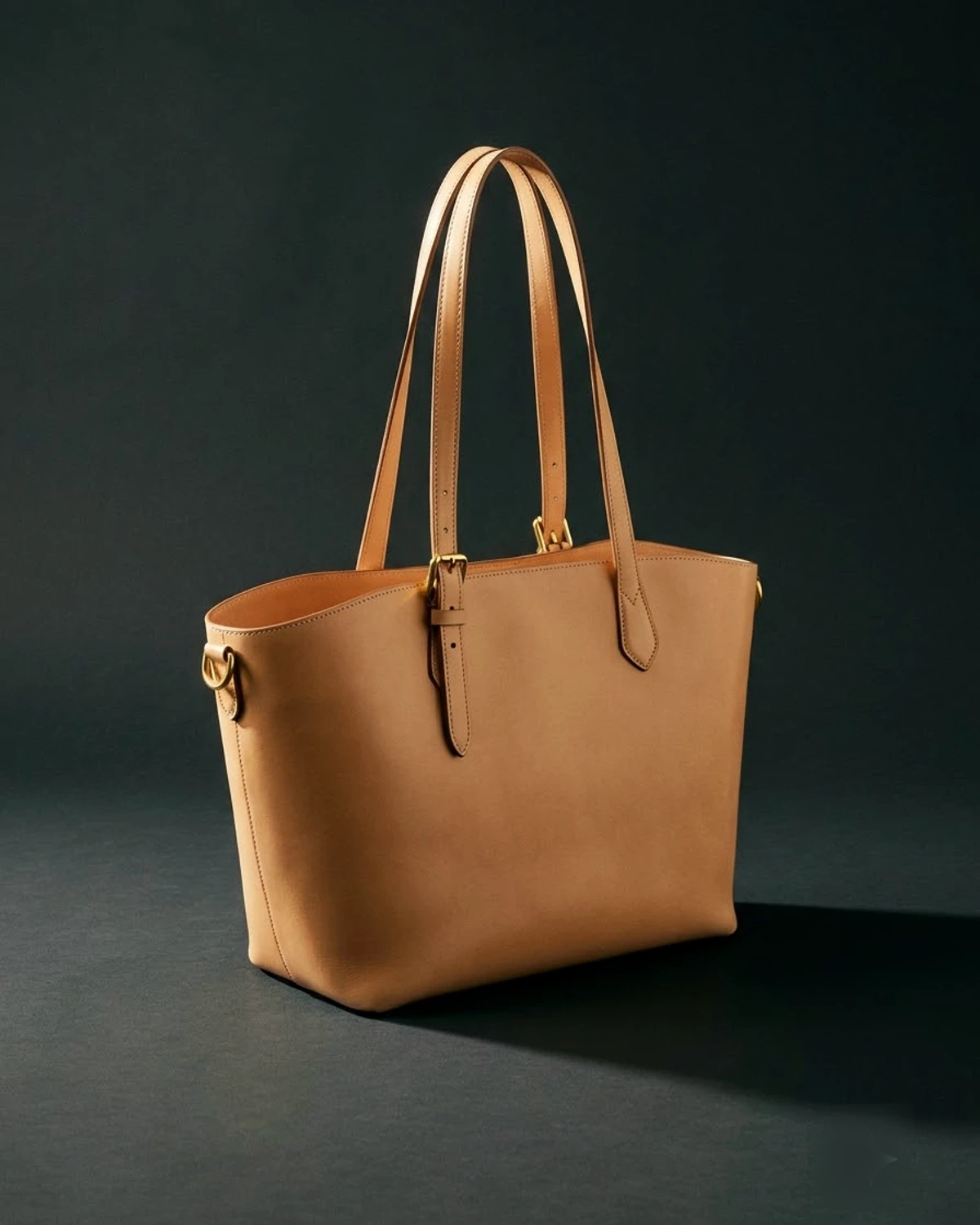
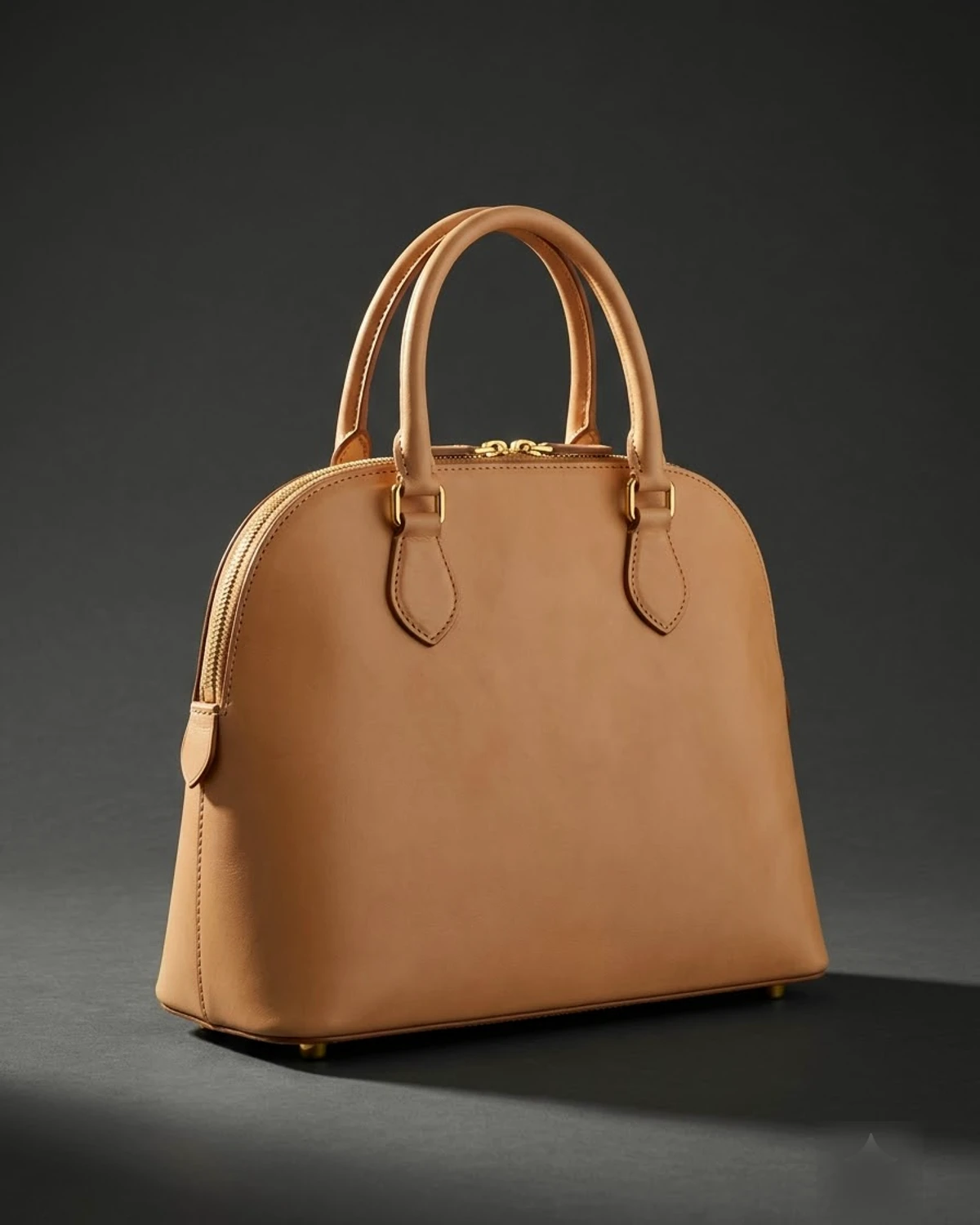
A bag's price only means something once you're sure the bag is real; authentication is the floor beneath every number. When we watch a style's market — a Speedy 25, a Neverfull MM, an Alma BB — we prioritise authenticated listings for exactly this reason. A cheap counterfeit is not a deal; it's a loss.
The plates
NON-DESTRUCTIVE INSPECTION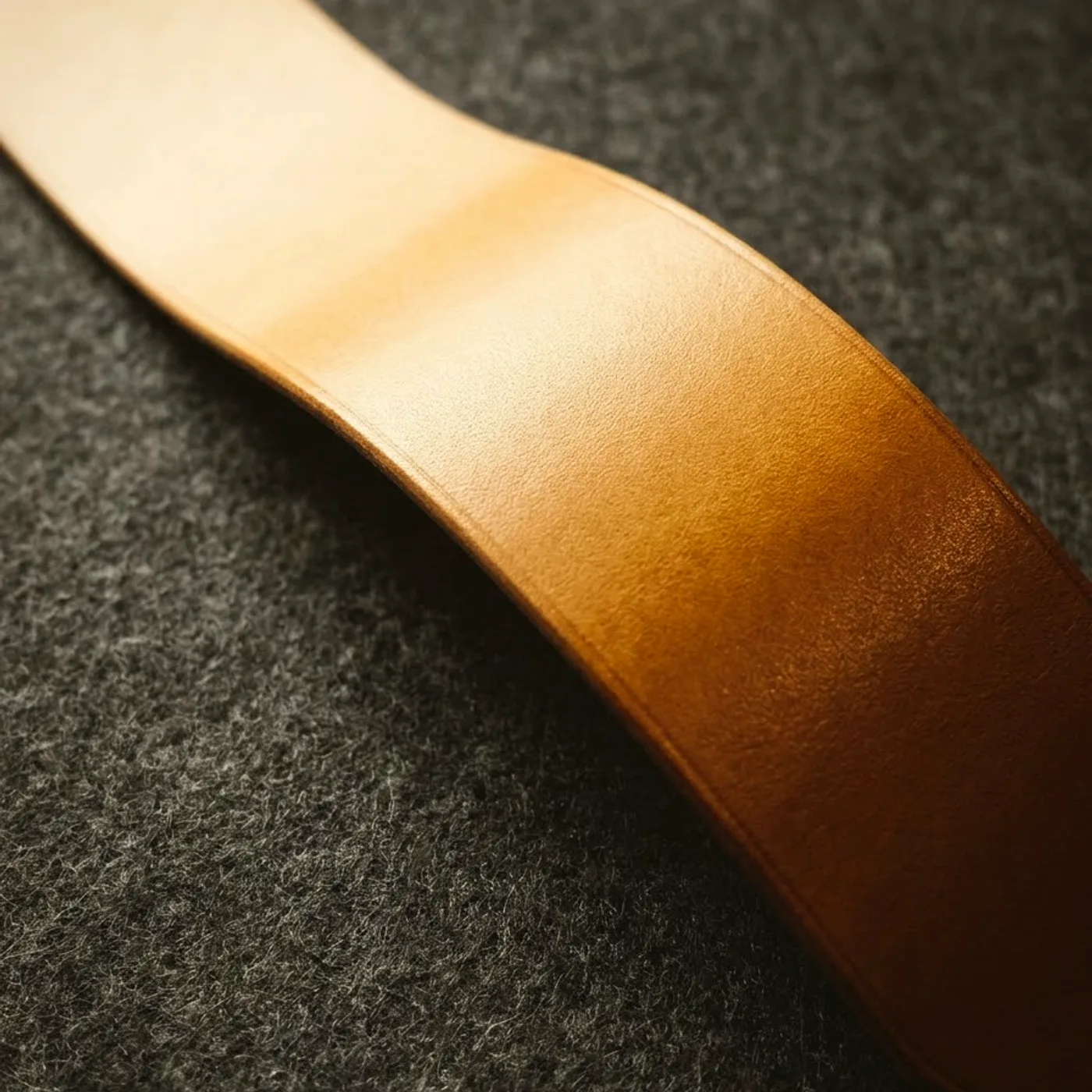
Bags in this piece
THE ARCHIVE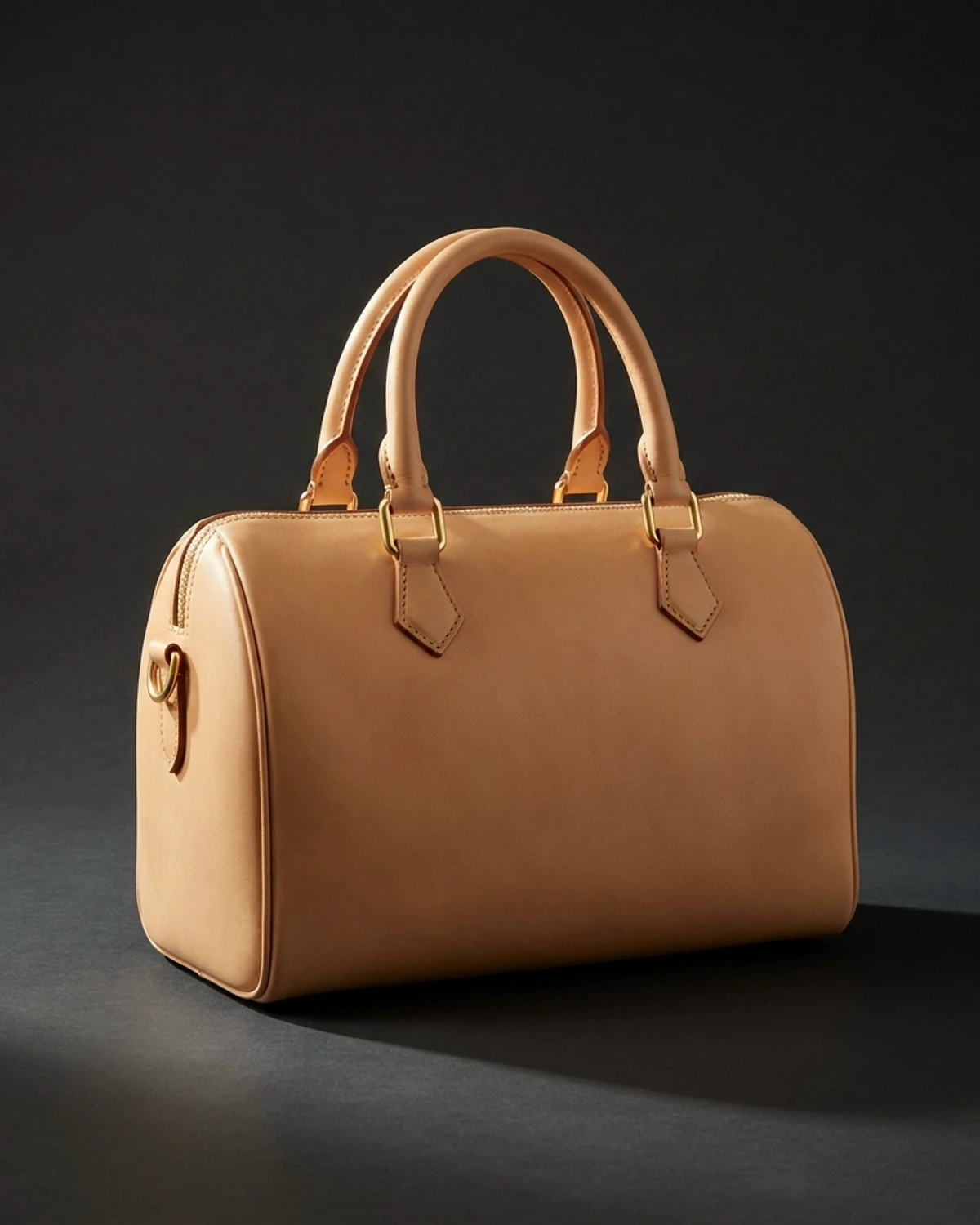
Set your all-in ceiling. We watch the authenticated ones.
Tell us the style and your number. We'll note when a verified bag falls beneath its comparable median — a Speedy, a Neverfull and an Alma each trade differently. One note when it matters; nothing in between.
INDEPENDENT & BUYER-SIDE. WE MAY EARN A REFERRAL FEE WHEN YOU BUY THROUGH A LINK — IT NEVER CHANGES WHAT WE RECOMMEND. NOT INVESTMENT ADVICE. THIS GUIDE IS A SCREEN, NOT AN AUTHENTICATION.