The Pre-Owned Buyer's ChecklistTwelve things to verify before you pay
A single, ordered checklist for buying a pre-owned designer bag with confidence — from seller vetting and authentication to condition, all-in cost and the return window.
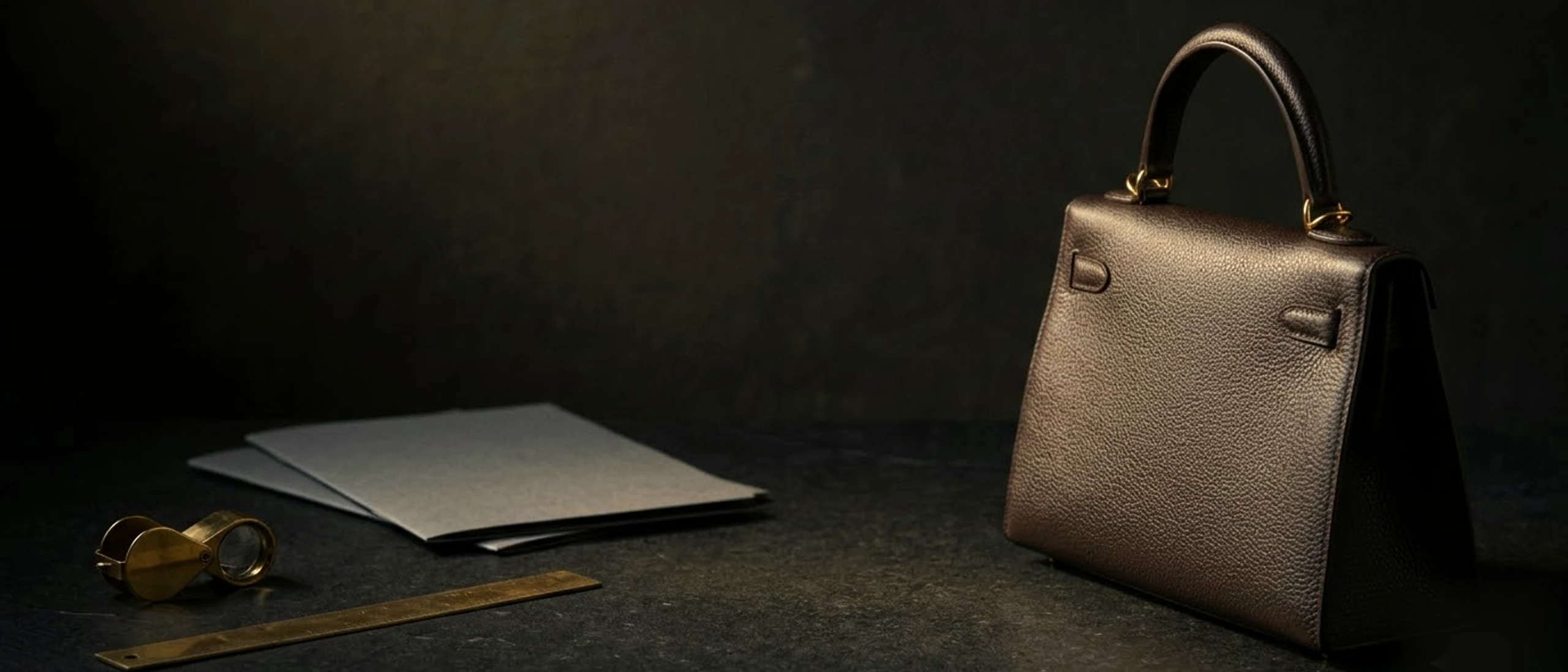
Buying a pre-owned luxury handbag is not one decision. It is a dozen small decisions stacked on top of each other, and most bad purchases can be traced back to one that got skipped. The buyer who wires the money before confirming the return window, or falls for a photo set that never shows the base, is rarely careless — they simply ran the steps out of order, or not at all.
This is the buyer-side checklist we use, in the order we use it. It is deliberately sequential: each point protects the ones after it. There is no reason to obsess over hardware plating on a bag you cannot return, and no reason to negotiate on price before you know the all-in cost of getting the bag to your door. Work top to bottom, and stop the moment a point fails without a satisfying answer.
Nothing here replaces a professional authentication or a lawyer's read of a contract. It is the disciplined screen a careful buyer runs before committing real money — so that when you do pay, you are paying with your eyes open.
Define the exact bag you want
Before you look at a single listing, write down the specific bag — house, model, size, leather or material, hardware colour, and ideally the era. "A black Chanel flap" is not a target; it is an invitation to overpay for the wrong thing. "A medium Boy in black caviar with ruthenium hardware" is a target you can price, compare and defend.
Precision protects you twice. It keeps you from being talked into a substitute that photographs well but isn't what you set out to buy, and it gives you a fixed reference point for every later step — condition, completeness and price all mean something only against a clearly defined bag. Vague shoppers are the easiest to upsell.
Vet the seller before the bag
The single most protective decision you make is where you buy, not what you buy. A genuine bag from an evasive seller with no returns is a worse purchase than a slightly pricier one from a reputable consignment specialist who stands behind it.
Look at the seller's history: how long they have traded, their feedback on high-value items specifically — not just volume of cheap sales — and whether they answer direct questions plainly. Reputable sellers of expensive bags expect scrutiny and welcome it. Vagueness, pressure to move off-platform, or irritation at reasonable questions are all data points, and they usually point the same direction.
“A seller with nothing to hide sends the photographs within the hour. A seller who stalls has already told you something.
Confirm the authentication method
Decide, in writing, how this specific bag will be authenticated — before you agree to anything. There are only a few good answers: it has already passed a marketplace's third-party programme, it comes through a consignment house with an in-house team, or your purchase is contingent on independent authentication after you receive it.
"Trust me, I've had it for years" is not an authentication method. Neither is a box and a receipt, both of which are faked routinely. A checklist screens a bag; the final word belongs to a professional.
Inspect the photographs properly
Amateur listings and dishonest ones share a habit: the photographs flatter and omit. You want to see the bag, not a mood. Insist on well-lit, in-focus images of every surface — front, back, base, all four corners, the interior, the date or authenticity stamps, every piece of hardware, the zip pulls, and the underside of the handles.
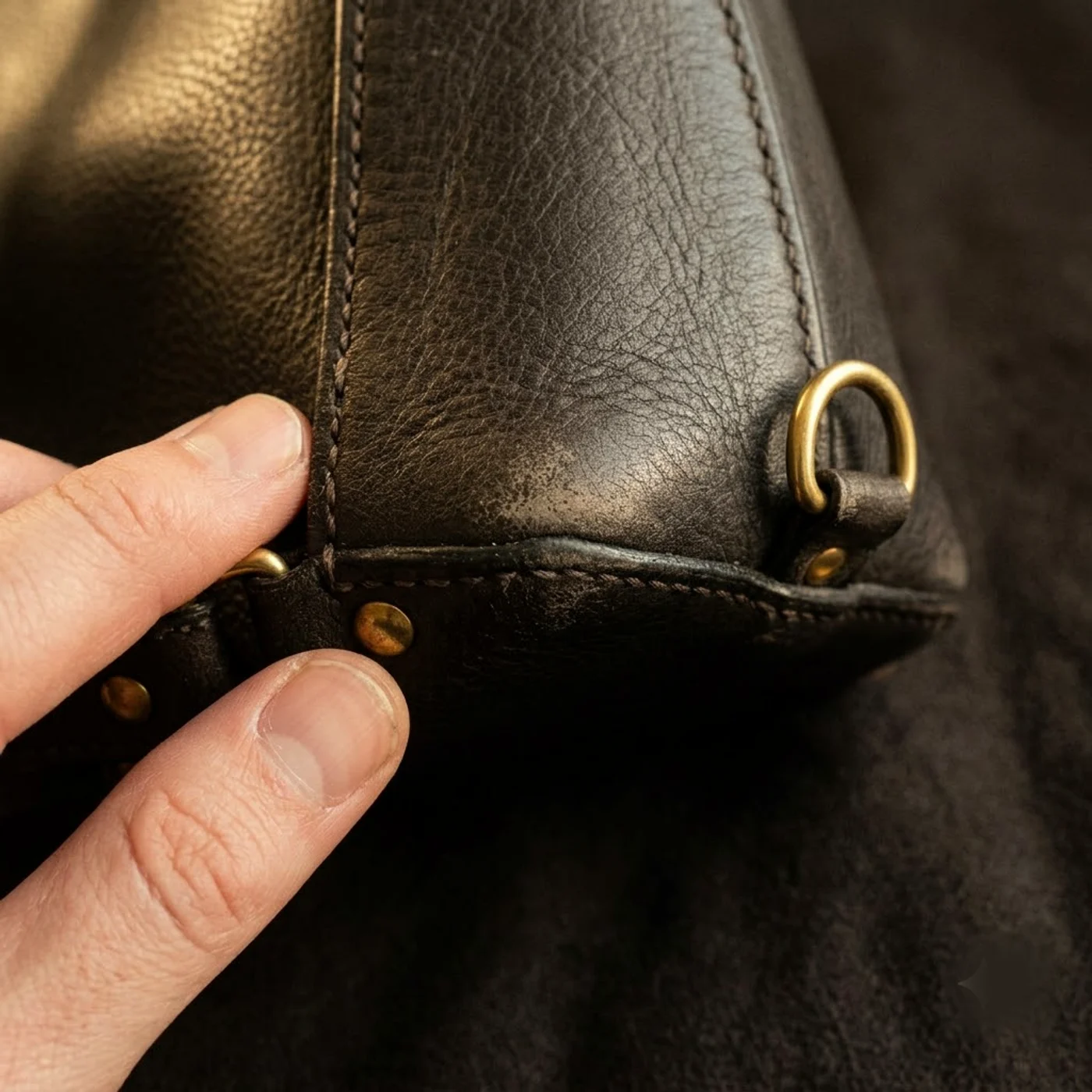
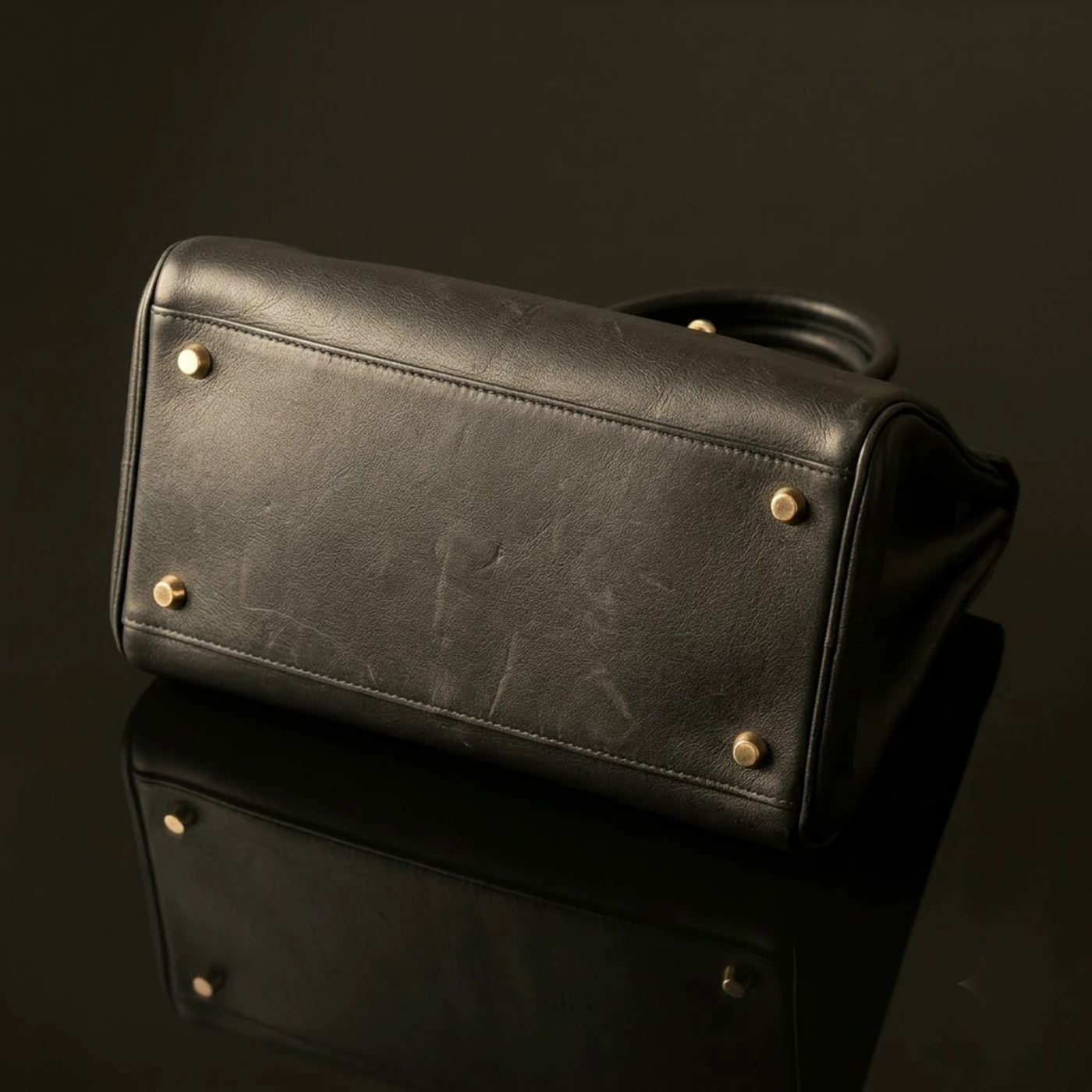
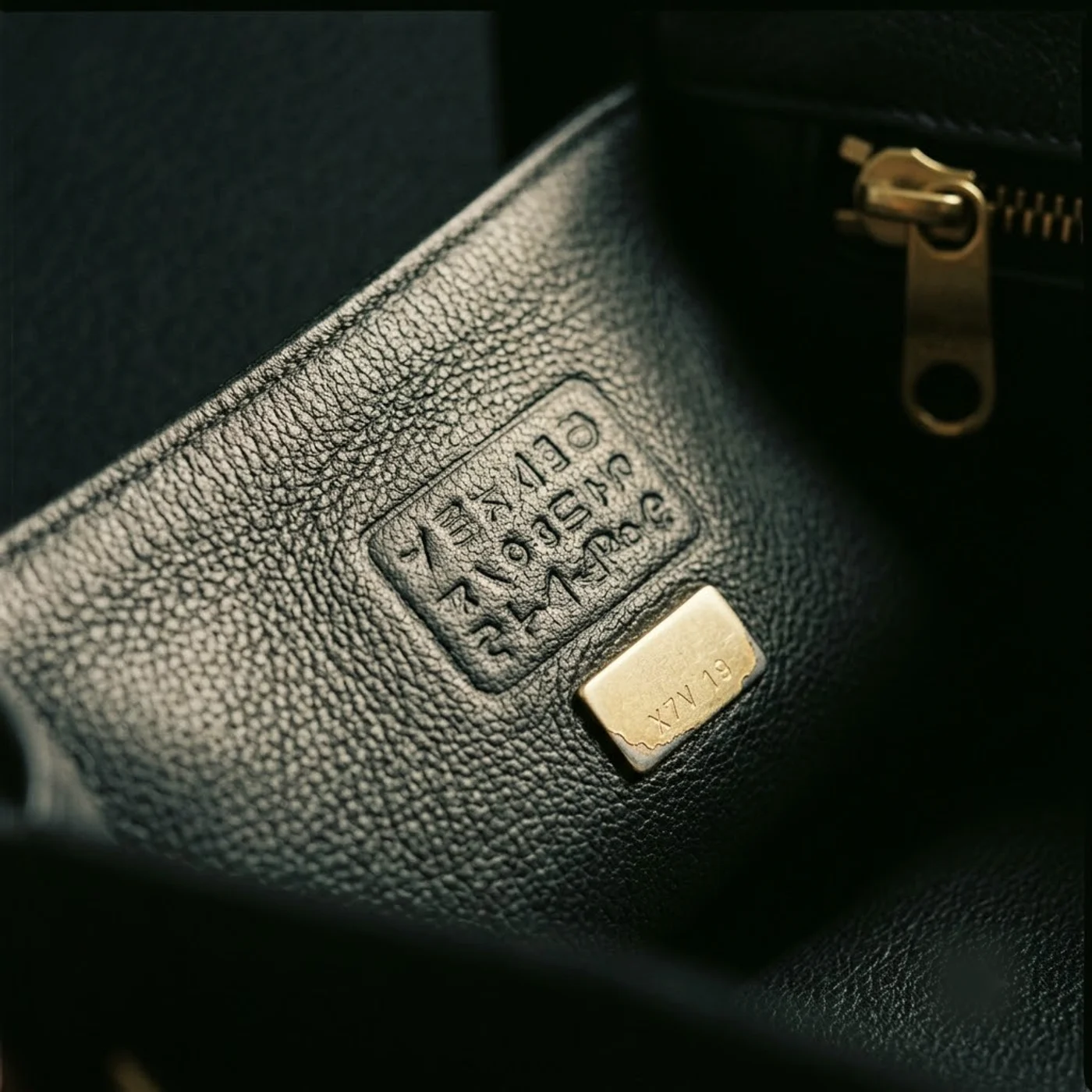
Stock images, heavily filtered shots, or a set that conveniently never shows the corners and base are a refusal disguised as a gallery. Ask for additional photographs of anything hidden, and ask for one holding a slip of paper with the date written on it.
Verify condition honestly
Resale grading is marketing language, and "excellent" means whatever the seller wants it to mean. Ignore the adjective and read the bag. Corner wear, edge-paint cracking, interior staining or odour, sagging structure, handle darkening and hardware scratching are the areas that actually move value — and the areas sellers most often photograph least.
Match every claim in the description against the photographs, and treat any gap as the worse case until proven otherwise. A bag honestly described as having corner rubs is a safer buy than one described as "pristine" whose pictures never let you check.
Check the hardware
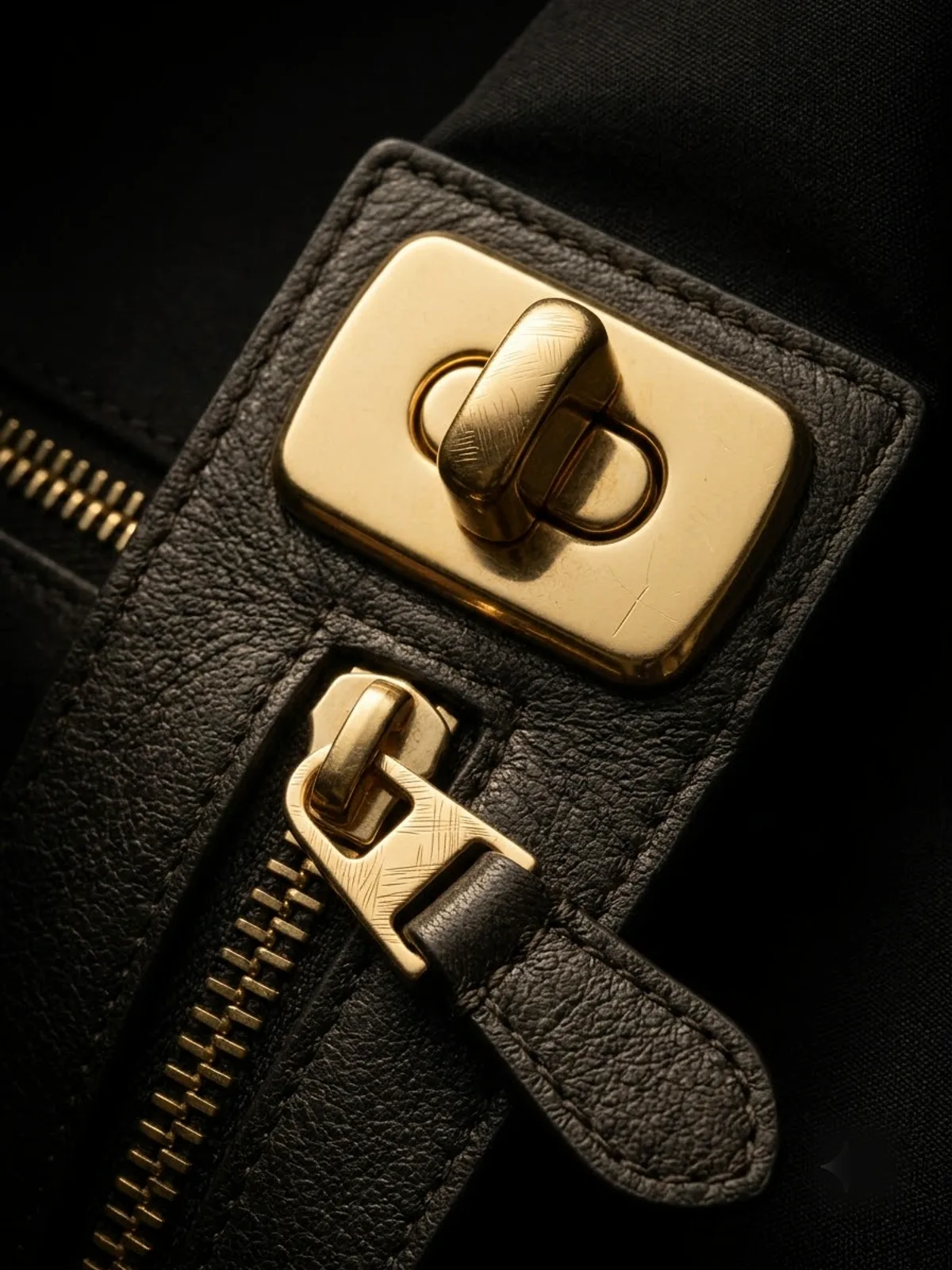
Hardware is where quality and honesty both show. On genuine pieces the metal has real heft, an even plating with no bubbling or flaking, and clean, correctly spaced engraving. Zips should run smoothly; turn-locks and clasps should seat precisely without play or grinding.
Two separate questions live here. First, is it right — do weight, finish and engraving match a genuine example of this model and era? Second, is it worn — replating, scratching or a stiff closure are condition issues that cost money to correct.
Confirm the full set
Establish exactly what comes with the bag: dust bag, box, authenticity or care cards, original receipt, and any model-specific extras — shoulder strap, padlock and keys, clochette. A full set does not prove authenticity, since every accessory in it can be counterfeited or bought separately, but its absence on an expensive bag deserves a plain explanation.
Completeness has a resale consequence too. The same bag with its full set commands more when you eventually sell, and a missing strap or clochette is a real cost to replace — if it can be replaced at all. Price the bag as it actually is, not as it would be with the pieces the seller thinks are in storage somewhere.
Calculate the all-in cost
The number on the listing is rarely the number you pay. Before you commit, add shipping and insured delivery, marketplace or payment fees, and — if the bag crosses a border — import duty and tax, which on luxury goods can be substantial.
Do this arithmetic before you negotiate, not after. A cross-border deal that ignores duty is not a deal; it is a bill you haven't opened yet.
Understand the return window
Know exactly what happens if the bag arrives wrong — not authentic, not as described, or simply not what the photographs promised. How many days, who pays return shipping, is there a restocking fee, and does buyer protection cover authenticity disputes specifically? Get the answers in writing on the platform, not in a friendly chat message that vanishes.
"No returns" on a high-value grail is not a neutral term; it is the seller asking you to absorb all the risk. Sometimes a genuinely rare piece justifies accepting it — but only after independent authentication, and only at a price that reflects the exposure.
Use safe payment
Pay in a way that can be reversed or disputed. Established marketplace checkout, buyer-protected platforms and credit cards all give you a path to recover funds if the bag is fake or never ships. The methods that cannot be clawed back — bank wire, cryptocurrency, peer-to-peer "friends and family" transfers — are exactly the ones fraudulent sellers push hardest.
CREDIT CARD
BUYER-PROTECTED RAIL
CRYPTOCURRENCY
FRIENDS & FAMILY
Sanity-check the price
Only now — with a real bag defined, condition and completeness understood and the all-in cost calculated — does the price mean anything. Compare it against recent sold prices for the same model, size, material and condition tier. Asking prices are wishes. A single low listing is not a market; it is either a genuine outlier or a warning.
A number that sits far below honest comparables is not automatically a win — it is a question. Is the bag misdescribed, is the seller in a hurry, or is something wrong? A real deal survives that question. This is the work we care most about, and why we watch authenticated listings specifically; read how we source for the way we think about it.
Keep the paper trail
Save everything: listing screenshots, the full message thread, the invoice, the authentication certificate, shipping and tracking records, and photographs of the bag as it arrived. Keep it even after a happy purchase — this archive is your evidence in a dispute, your proof of provenance if you resell, and your record of what you were promised against what you received.
The paper trail is the least glamorous step and the one buyers skip most — usually right up until the moment they need it and don't have it. The file you never open is the one that saves you.
Run these in order.
Stop at the first point that fails without a straight answer.
Nothing on this list is difficult. What it demands is the patience to run the steps in order and the discipline to walk away when one of them fails — which, on the right bag at the wrong terms, is the most valuable thing a buyer can do.
When we watch a market, authentication and honest condition are the floor beneath every price signal, because a cheap counterfeit is not a bargain and an "excellent" bag that isn't is a loss dressed as a deal.
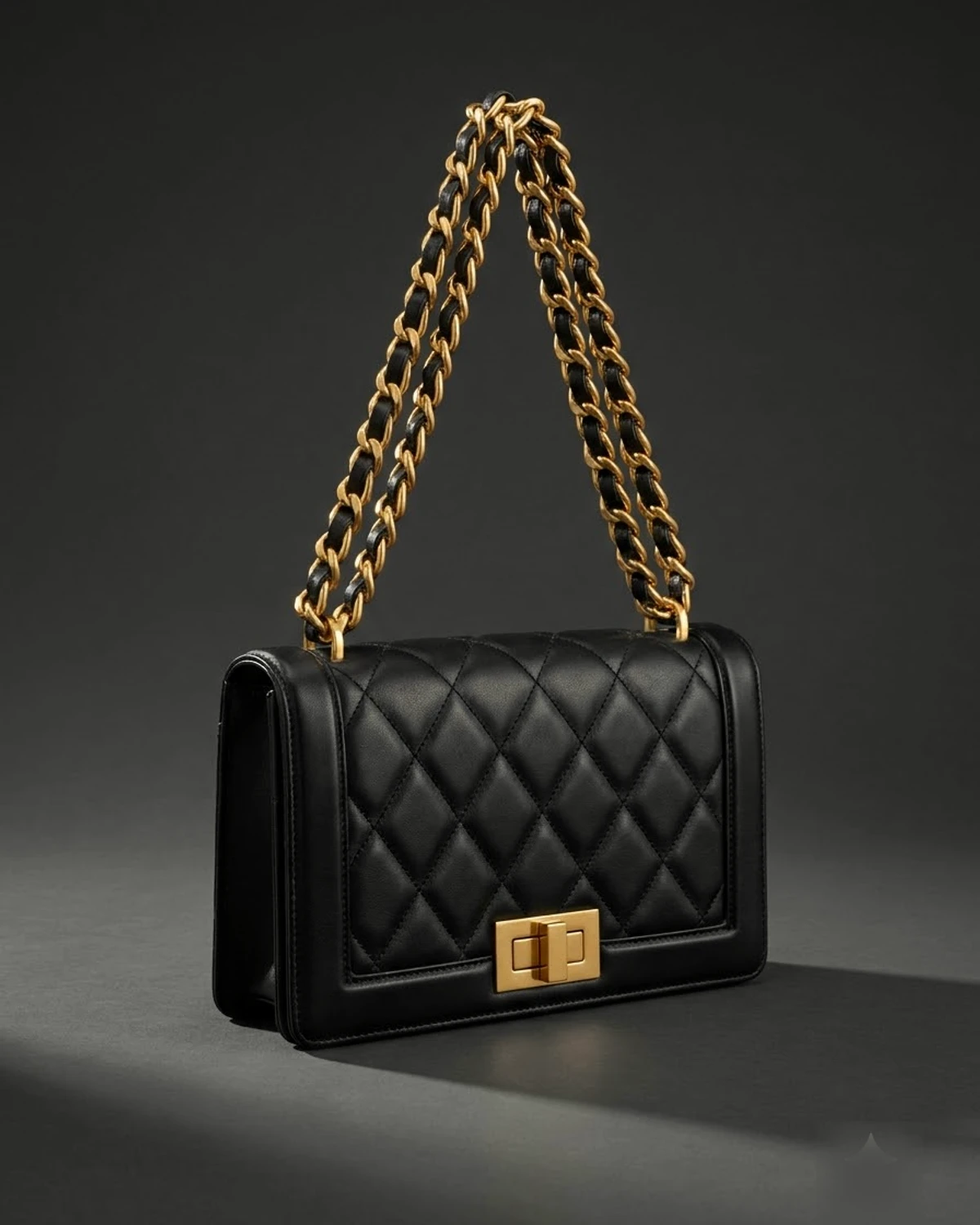
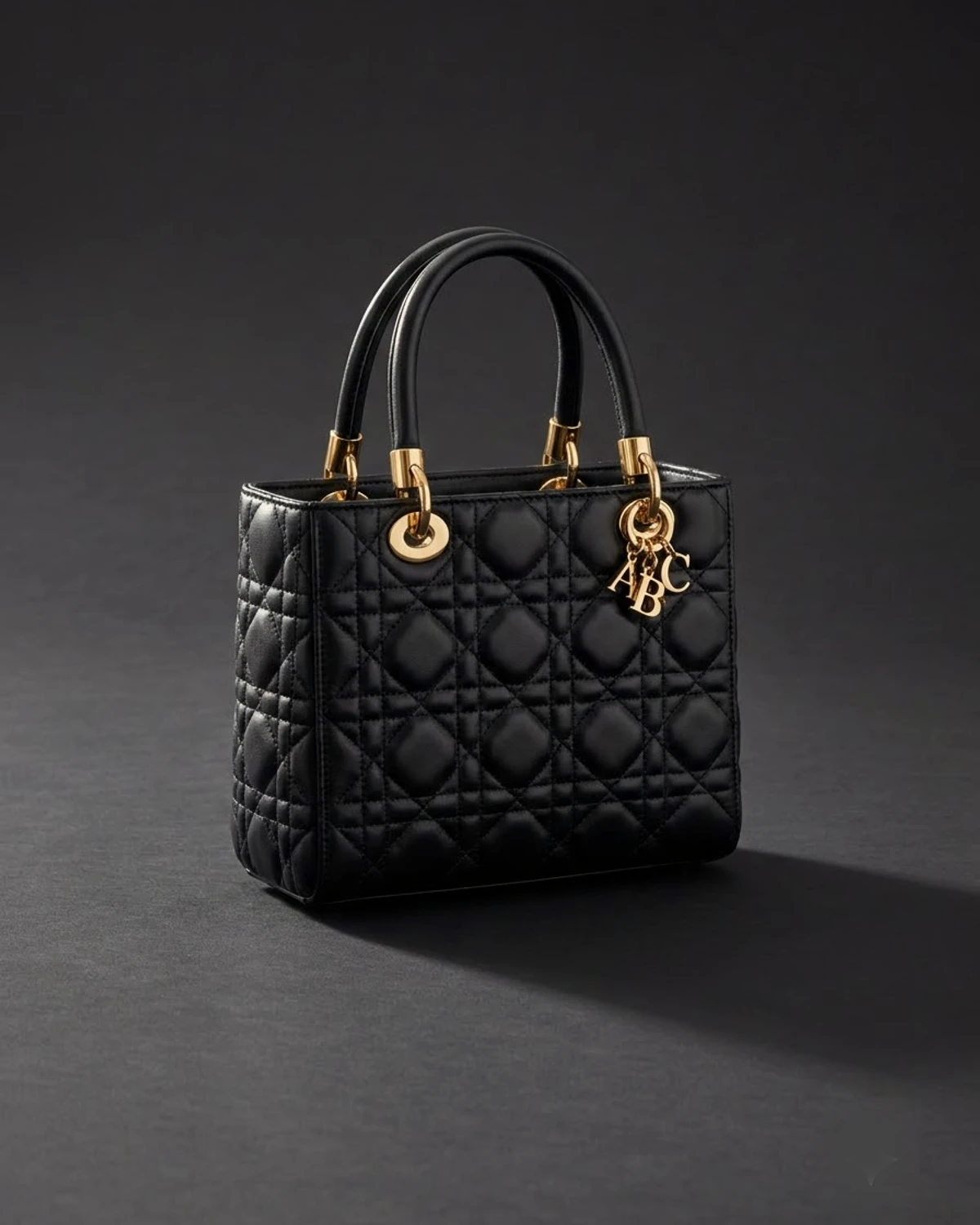
Bags in this piece
THE ARCHIVE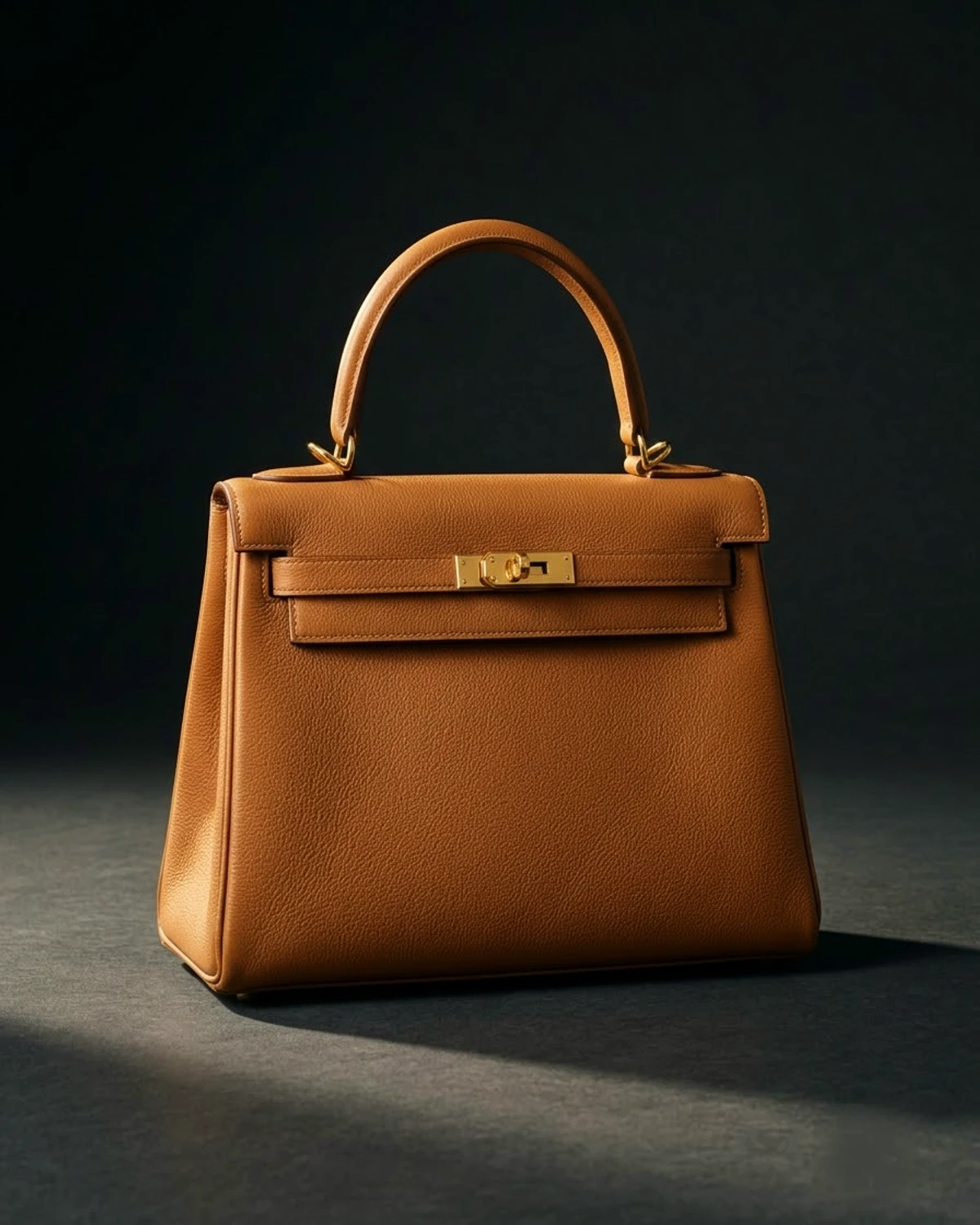
Set your ceiling. Let the comparables come to you.
One bag, one all-in number. We signal the moment an authenticated listing falls beneath its comparable median — and nothing in between.
INDEPENDENT & BUYER-SIDE. WE MAY EARN A REFERRAL FEE WHEN YOU BUY THROUGH A LINK — IT NEVER CHANGES WHAT WE RECOMMEND. NOT INVESTMENT ADVICE.